
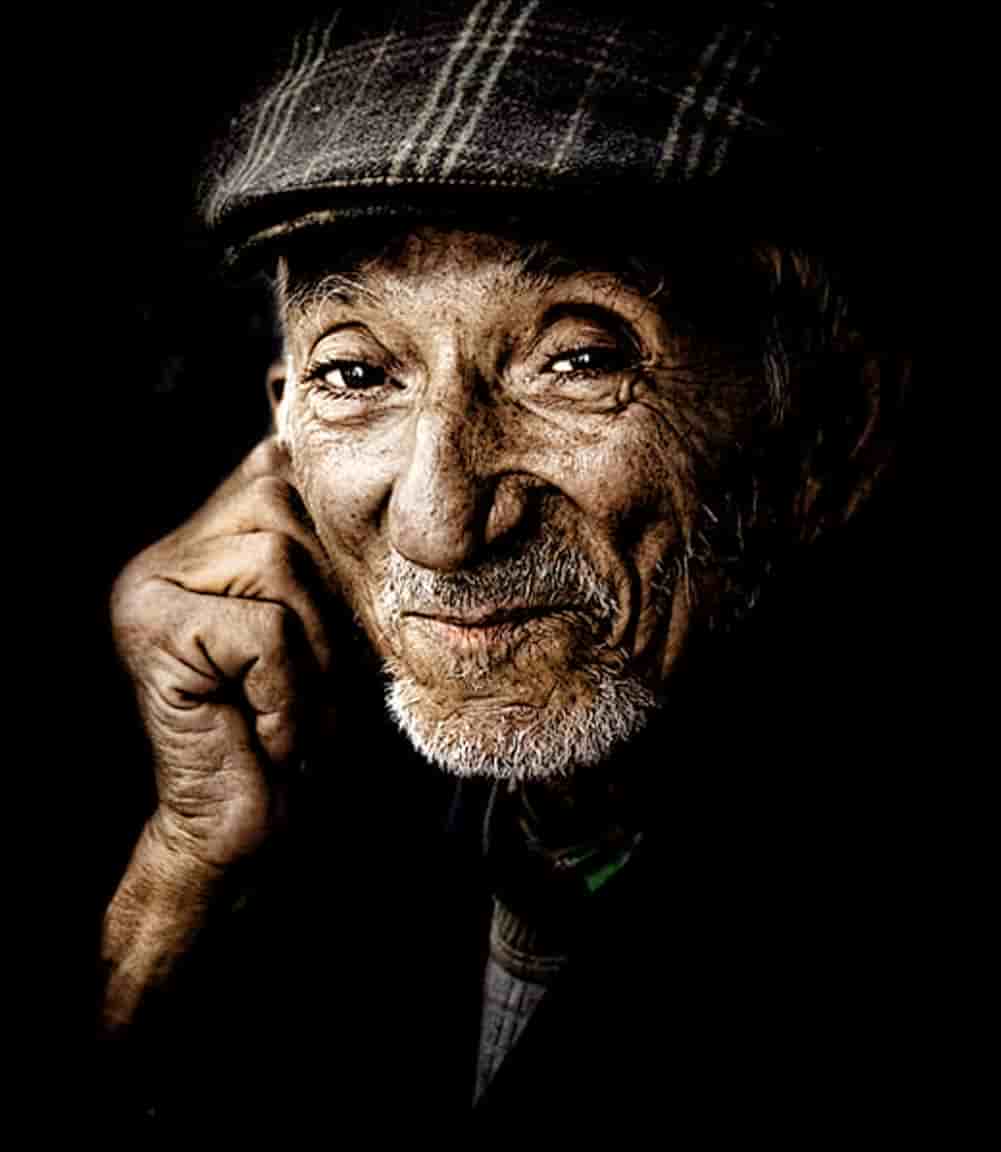
Helping old people in difficult circumstances
-
by

In Latin America, older adults often face unique challenges due to a combination of economic instability, limited access to quality healthcare, and cultural shifts that sometimes diminish the traditional role of elders in the family structure. Many live in poverty, experience social isolation, or depend on family members who may themselves be struggling to make ends meet. Despite these challenges, the region’s strong sense of community and cultural emphasis on respect for elders offer powerful opportunities to support older individuals effectively.
The Challenges of Older Adults in Latin America
- Financial Vulnerability: Many older adults depend on inadequate pensions or lack retirement savings due to informal employment throughout their lives. Economic downturns and inflation exacerbate their financial insecurity, limiting access to basic necessities.
- Healthcare Gaps: While some countries offer public healthcare systems, the quality and availability of services vary widely. Older people may face long waiting times, lack of specialized care, or difficulty accessing medications, particularly in rural or marginalized areas.
- Isolation and Changing Family Roles: Traditional multi-generational family structures are evolving due to urbanization and migration, leaving some elderly individuals without the family support they once relied on. Loneliness is a growing issue, particularly among those living in rural communities.
Supporting Older Adults in Latin America
- Strengthening Intergenerational Bonds
Latin American families have traditionally placed great importance on caring for their elderly relatives, but urbanization and economic pressures have strained these ties. Reviving and promoting intergenerational programs in schools, churches, and community centers can help bridge the gap between youth and older adults. Activities such as storytelling, cultural workshops, or mentorship programs can foster mutual understanding and combat isolation. - Providing Access to Essential Services
Collaborating with local organizations and NGOs to provide food, healthcare, and basic necessities is critical in regions where state support is insufficient. Initiatives such as mobile medical units, volunteer home visits, and community food banks have proven effective in reaching vulnerable older adults. - Supporting Economic Independence
Programs that help older adults earn an income can significantly enhance their well-being. Microfinance projects, skill workshops, and support for small-scale entrepreneurial activities—such as crafting or selling homemade products—can give them a sense of purpose and economic security. - Healthcare and Preventive Services
Providing access to preventive healthcare and health education is essential. Community health initiatives can educate older people about managing chronic conditions like diabetes and hypertension. Partnerships with local clinics and pharmacies can improve access to medications and routine medical check-ups. - Creating Safe and Accessible Spaces
Many older adults live in homes or communities that are not designed with their needs in mind. Making homes safer through small improvements (such as grab bars, non-slip flooring, and adequate lighting) and ensuring accessible public spaces can help them maintain independence and reduce the risk of injury. - Promoting Community-Based Support Networks
Grassroots organizations, church groups, and volunteer networks are essential in providing consistent emotional and practical support. By organizing social gatherings, prayer groups, or group meals, communities can offer opportunities for older adults to stay active and feel valued.
The Intersection of Aging and Puberty: A Unique Opportunity for Connection
One innovative approach to fostering mutual support is to create spaces where older adults and young people can interact. Programs that connect adolescents going through puberty with older mentors provide benefits for both groups. Older people often carry wisdom and life experiences that can guide younger generations, while the enthusiasm and curiosity of youth can help combat loneliness and bring renewed energy into the lives of elders. Intergenerational dialogues centered around values, growth, and change can build stronger community ties.
Conclusion
In Latin America, addressing the challenges faced by older adults requires a community-driven and culturally sensitive approach. By combining family support, local initiatives, and targeted policies, we can help ensure that older individuals live with dignity, security, and connection. Empowering them not only enriches their lives but strengthens the social fabric, ensuring that the contributions and wisdom of older generations continue to shape future ones. Through collaborative efforts, we can build a more compassionate society that uplifts its elderly population and fosters connections between generations.